Consumer protection & video games
Do You Own GTA 6?
A Vice City Lawyer Reads the Fine Print
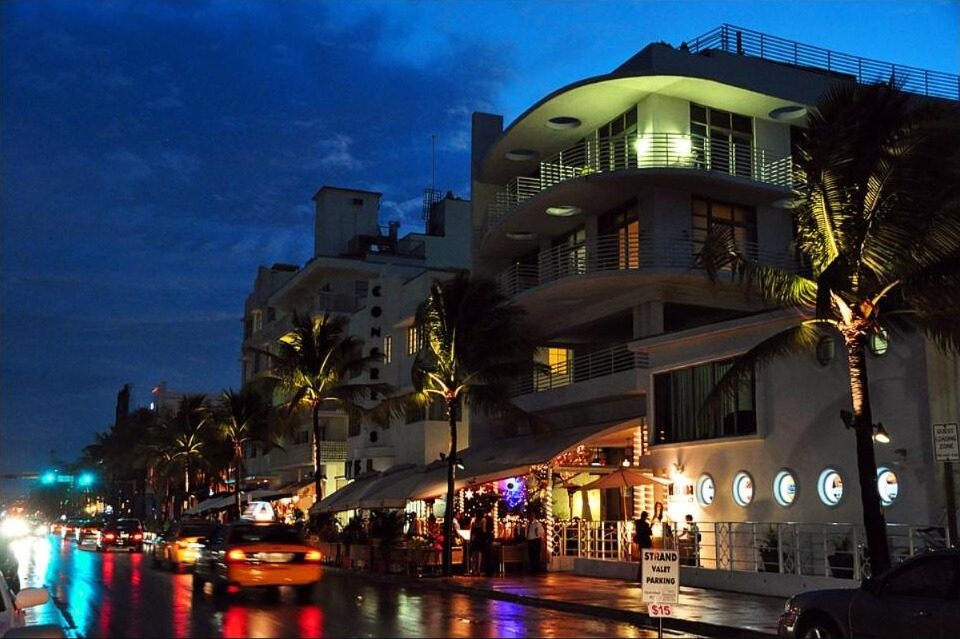

Grand Theft Auto VI unlocks on November 19, and a good part of the internet will spend that night in Vice City. I'll be there too. It's a short commute, since I live in the real one.
Here's what most of us won't think about while the download bar fills. There's no disc in the GTA 6 box. The "physical" copy on the store shelf is a download code. And whether you click "Buy" on the PlayStation Store or hand $80 to a cashier, what you get is a license to play the game. You don't own it.
Sony said so itself this summer, in a California class action over the PlayStation Store's "Buy Now" button. From its motion:
"In the digital age, it is not plausible to allege that reasonable consumers believed they were obtaining 'ownership' of a digital game. Were that the case, then Plaintiff Edward Heycock would not have been able to obtain the game Resident Evil Requiem on February 25, 2026 for $69.99 from the PlayStation Store after Plaintiff Jason Mendoza had obtained Resident Evil Requiem on February 14, 2026, because Mr. Mendoza, not Sony, would have owned it then."
Sony Interactive Entertainment LLC, Motion to Compel Arbitration, Garcia v. Sony Interactive Entertainment, LLC, No. 3:26-cv-06016-VC, ECF No. 17 (N.D. Cal. Aug. 21, 2026).
I play on PlayStation and PC, I still keep a shelf of discs, and I read terms of service for a living. They don't say what the button says.
From Liberty City to Vice City
How "Buy" stopped meaning "own"
- GTA IV launches with a licensed radio soundtrack
- Song licenses expire; an update pulls dozens of tracks
- GTA IV pulled from Steam; returns without multiplayer
- Ubisoft shuts down The Crew for everyone
- California requires a license warning next to "Buy"
- Players sue Sony over the "Buy Now" button
- Sony: no discs for new PlayStation games from 2028
- Sony tells the court no one reasonably thinks they own it
- GTA 6 arrives in Vice City. No disc in the box.
What you're actually buying when you buy GTA 6
Sony's license agreement says it in one line: "The Software is licensed to you, not sold." Its terms of service tell you that you "do not own the product." Steam's checkout now says the same thing in plainer English.
That word, licensed, is doing a lot of work. Copyright law gives the owner of a copy two important rights. You can sell or give away the copy you own without the publisher's permission. That's the first-sale doctrine, 17 U.S.C. § 109(a), and it's why GameStop's used bin exists. And you can make the copies your machine needs to run the program, under 17 U.S.C. § 117(a)(1). Both rights belong to owners. A licensee gets whatever the license says.
Courts have mostly let publishers decide which one you are. In Vernor v. Autodesk, Inc., 621 F.3d 1102, 1111 (9th Cir. 2010), the Ninth Circuit held that a software buyer is a licensee, not an owner, when the license says so, significantly restricts transfer, and imposes notable use restrictions. Almost every game license checks all three boxes.
Digital copies have a second problem. In Capitol Records, LLC v. ReDigi Inc., 910 F.3d 649, 657 (2d Cir. 2018), a company tried to run a used marketplace for downloaded music. The court held that moving a file to a new buyer makes a new copy, and first sale protects the copy you own, not a new one. So even if you did own your download, there would be no legal way to resell it.
That's why there's no used market for digital games. It isn't an oversight. It's the business model.

Ask anyone who played GTA IV
If you want to see what a license means in practice, look at Grand Theft Auto IV. It came out in 2008 with one of the best soundtracks in the series. Rockstar licensed many of those songs for ten years. In April 2018 the licenses ran out, and an update pulled dozens of tracks from the game and its expansions. Fan trackers counted 54. One of the stations that lost songs was called Vice City FM. If you bought GTA IV in 2008, the game on your drive today is not the one you paid for.
Then PC players lost more. In January 2020, Rockstar pulled GTA IV from Steam because it still depended on Microsoft's Games for Windows Live, a service Microsoft had stopped supporting years earlier. When the game came back that March, existing copies were replaced with a new "Complete Edition." Multiplayer was gone.
Nobody broke a rule. The license let Rockstar patch the game, and the music deals let the labels take their songs back. When you own something, nobody gets to reach into your house and change it. When you license it, the terms decide what you keep.
Ubisoft took this to its logical end with The Crew, a 2014 racing game that needed Ubisoft's servers to run. Ubisoft shut those servers down on March 31, 2024, and the game stopped working for everyone, including people who bought it on disc. Ubisoft also began revoking players' licenses, without refunds. In March 2026, France's largest consumer group, UFC-Que Choisir, sued. Ubisoft's position, as reported, is that customers bought limited access to the game, not ownership.

Why there's no disc in the GTA 6 box
Rockstar is selling GTA 6 on consoles only, and the boxed version at retail holds a download code instead of a disc. The boxes hit shelves November 12 so players can pre-load a week early. Reporting has tied the no-disc decision to preventing leaks and resale. Some retailers declined to stock it.
Take-Two's CEO, Strauss Zelnick, addressed the backlash on an August earnings call. "[M]ost instances you have to register online to play anyhow," he said. "So if you're already connected, who cares if you download digitally?" The base game is $80. The Ultimate Edition is $100.
Sony is going further. On July 1 it announced that new PlayStation games will stop shipping on disc in January 2028. Sony reported that 85% of its game sales were already digital in the quarter ending March 31, 2026.
I care about this as a collector, but the bigger issue is legal. A disc is the closest thing left to owning a game. In practice you can sell it, lend it, or give it to your nephew, and nobody can take it back. Plenty of discs now need a day-one patch or an online check, so even that ownership has limits. But a code in a box gets you none of it. It's the same license as the download, with cardboard.
The fight over the word "Buy"
The fight in court right now is narrower than ownership. If it's a license, can the store keep calling it a purchase?
California says not without a warning. Since January 1, 2025, Cal. Bus. & Prof. Code § 17500.6 has made it unlawful to sell a digital good using "buy," "purchase," or similar words unless the seller either gets the buyer's acknowledgment that it's a license or gives a clear and conspicuous plain-language notice before the sale. Either way, it has to be distinct and separate from the rest of the terms. Steam started showing a license notice at checkout before the law took effect.
In June 2026, four California players sued Sony under that statute. Garcia v. Sony Interactive Entertainment, LLC, No. 3:26-cv-06016 (N.D. Cal.). They say the PlayStation Store's "Buy Now" and "Confirm Purchase" buttons promise ownership, and that the license notice above the button is small, unhighlighted, and easy to miss. They bought the usual suspects: NBA 2K26, Madden NFL 26, Resident Evil Requiem.
Sony's motion, filed August 21, leads with arbitration. The PlayStation terms of service include an arbitration clause and a class-action waiver, with a 30-day window to opt out. Sony argues that's where these claims belong. Only in the alternative does it argue the merits, which is where the line about Resident Evil came from. Judge Vince Chhabria moved the hearing from October 1 to October 29, and both sides agreed to pause everything else in the case until he rules, including any appeal. As of this writing, I haven't seen a ruling.
The arbitration point matters more than the headline. If Sony wins it, the case may never answer the question everyone is arguing about. And Sony's "nobody thinks they own it" argument is awkward next to Sony's own support pages, which tell players how to upgrade a "digital PS4 game you already own."
Will anything change before you reach Vice City?
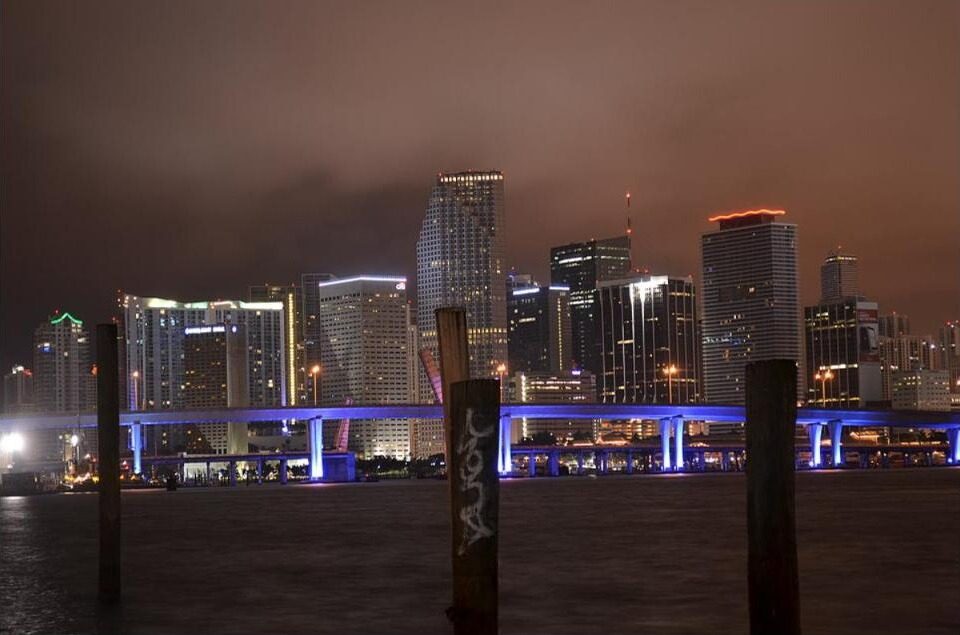

Not by November 19. But the pressure is real, and it's coming from three directions.
Congress. In mid-October, Rep. Ritchie Torres of New York announced the Power to the Players Act. As described, it would direct the FTC to write rules protecting a buyer's right to own and keep playing the games they pay for, and require an offline mode before a publisher shuts down a game's servers. As of this writing, reports say it had not yet been formally introduced and had no bill number. I'd watch this one rather than count on it.
Europe. The Stop Killing Games campaign, started after The Crew went dark, collected about 1.29 million verified signatures on an EU citizens' initiative. In June the European Commission declined to propose a law requiring publishers to keep discontinued games playable, calling it disproportionate. The campaign is now pushing to fold its proposals into the EU's planned Digital Fairness Act.
Florida. GTA 6 is set here, but Florida has no statute like California's. What it has is its general consumer protection law, the Florida Deceptive and Unfair Trade Practices Act, which bans "unfair or deceptive acts or practices in the conduct of any trade or commerce." Fla. Stat. § 501.204(1). It reaches the sale of intangible property, and its definitions expressly mention licenses. Fla. Stat. § 501.203(8)–(9). A buyer doesn't have to prove they personally relied on the misleading statement, only that it was likely to deceive a reasonable consumer. Carriuolo v. Gen. Motors Co., 823 F.3d 977, 983–84 (11th Cir. 2016).
The closest Florida case is not encouraging for players. In Rodriguez v. JPay, Inc., No. 19-14137-CIV, 2019 WL 11624312 (S.D. Fla. Oct. 21, 2019), report and recommendation adopted, 2019 WL 11623933 (S.D. Fla. Oct. 31, 2019), inmates bought digital music after being told they would "always own" it, and then lost access. The court dismissed their FDUTPA claim, with leave to amend, because they hadn't alleged facts showing the "always own" promise was false when it was made. Their contract and tort claims were dismissed for good, because the license agreement said the music belonged to someone else. And in the same order, the court sent the case to arbitration. It's an unpublished trial-court ruling, so it binds no one. But it shows the playbook: disclose the license somewhere, and put an arbitration clause in the terms.
Before you pre-load GTA 6
None of this should stop you from playing. It should change a few habits.
- Read the checkout screen once. Steam and the PlayStation Store both now say, somewhere near the button, that you're buying a license. It's worth seeing it for yourself.
- Protect the account, not just the console. Your library lives on your account. A hacked or banned account can cost you every game on it. Turn on two-factor authentication.
- Know about the arbitration opt-out. According to Sony's own filing, the PlayStation terms let you opt out of arbitration and the class-action waiver within 30 days of accepting them. Almost nobody does. If you want to keep the option of joining a class action someday, read Section 14 of the terms.
- Buy discs when it matters to you. For games that still ship on disc, the disc is the only version you can resell, lend, or keep playing without anyone's permission. That window closes for new PlayStation games in 2028.
- Assume online games have an end date. If a game needs a server, it will stop working when the server does. Price that in.
The bottom line
I'll be in Vice City on the 19th with everyone else. I'm not boycotting anything. But the industry is asking players to accept two things at once: there's no disc anymore, and the download was never yours. Courts and legislators have started asking whether the word "Buy" can survive both.
If you run a business that sells digital products to consumers, the California statute and the Sony case are worth a look before your next checkout redesign. If you have questions, I'm happy to talk them through.
Have an agreement to draft, sign, or challenge?
New matters go through Saltiel Law Group's intake team, which checks for conflicts and sets up a consultation with me.

Hubert G. Menendez
Hubert G. Menendez is a business attorney at Saltiel Law Group in Coral Gables, Florida. He serves as outside general counsel to companies, drafts and negotiates their contracts, and represents businesses, investors, and owners in disputes in Florida's state and federal courts, including noncompete and trade secret cases. He works in English and Spanish. More about Hubert · LinkedIn
Sources
- Garcia v. Sony Interactive Entertainment, LLC, No. 3:26-cv-06016 (N.D. Cal.), Class Action Complaint
- Sony's Motion to Compel Arbitration, ECF No. 17 (Aug. 21, 2026)
- Joint Stipulation to Stay, ECF No. 26 (Oct. 8, 2026)
- Consumer Rights Wiki, Sony PlayStation digital game ownership lawsuit
- Cal. Bus. & Prof. Code § 17500.6
- Fla. Stat. § 501.204
- Forbes, "GTA 6" Publisher Dismisses Digital Replacing Discs Controversy (Aug. 7, 2026)
- Wikipedia, Grand Theft Auto VI
- Fox Business, Sony to end physical PlayStation game discs for new releases starting in 2028
- PC Gamer, Rockstar confirms that some Grand Theft Auto 4 music is being removed
- GTABase, GTA IV music update: list of removed songs
- Digital Trends, Grand Theft Auto IV returning to Steam without multiplayer
- PC Gamer, France's leading consumer association sues Ubisoft over The Crew shutdown
- The Star (Reuters), French consumer group sues Ubisoft over shutdown of online game 'The Crew'
- PC Gamer, US lawmaker calls videogame purchases rentals disguised as sales
- Express Tribune, Stop Killing Games campaign falls short as EU rejects proposal
This article is general information, not legal advice, and reading it does not create an attorney-client relationship. The law and the cases discussed here are changing quickly. It reflects the law as of November 6, 2026.